A ceiling stain appears after a quiet night, one patch of floor feels warmer than it should, and the water bill climbs for no obvious reason. Many owners hit this crossroads and wonder which path is smarter: handle a single fault or plan for a comprehensive repipe across the home.
Here’s the clear definition upfront: repiping means replacing most or all of your water supply lines in a planned project, while a spot repair targets one failing area. The right choice depends on pipe age, leak patterns, water quality, and access conditions, with the goal of protecting the building and your time.
St. Joseph Plumber serves properties across St. Joseph week in and week out, helping owners weigh options with practical diagnostics and local code know‑how. This comparison covers warning signs, testing tools, permits, timelines, and the long‑term value so you can decide confidently in Michigan and throughout the St. Joseph area.
Table of Contents
- Repiping vs spot repairs: what each option really means
- Warning signs and diagnostics before you decide
- Costs that matter: upfront vs lifetime total cost of ownership
- Materials, code compliance, and expected lifespan
- Decision framework: when repiping wins and when repairs make-sense
- Project logistics, timelines, and level of disruption
- Insurance, warranties, financing, and ROI
Repiping vs spot repairs: what each option really means
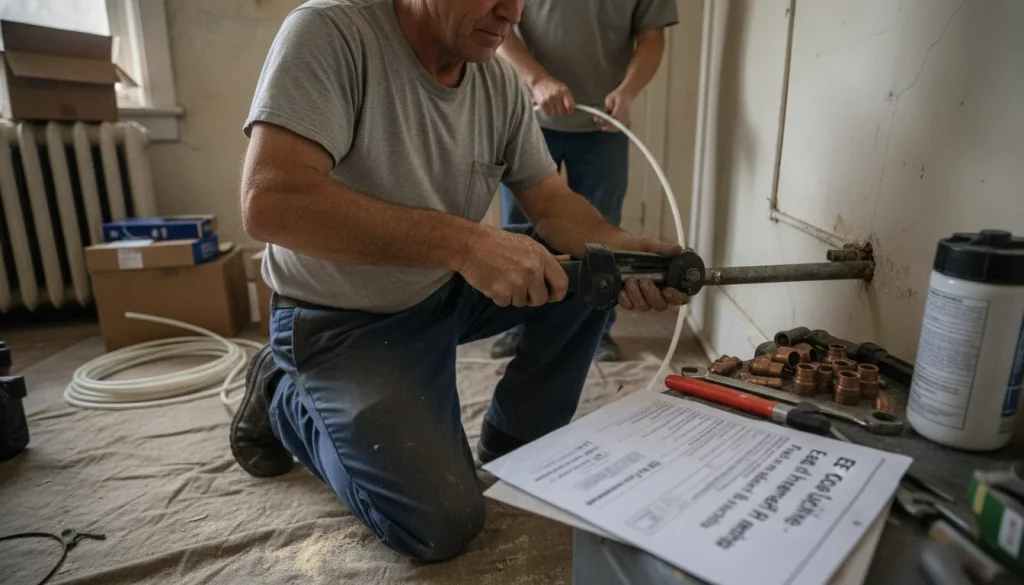
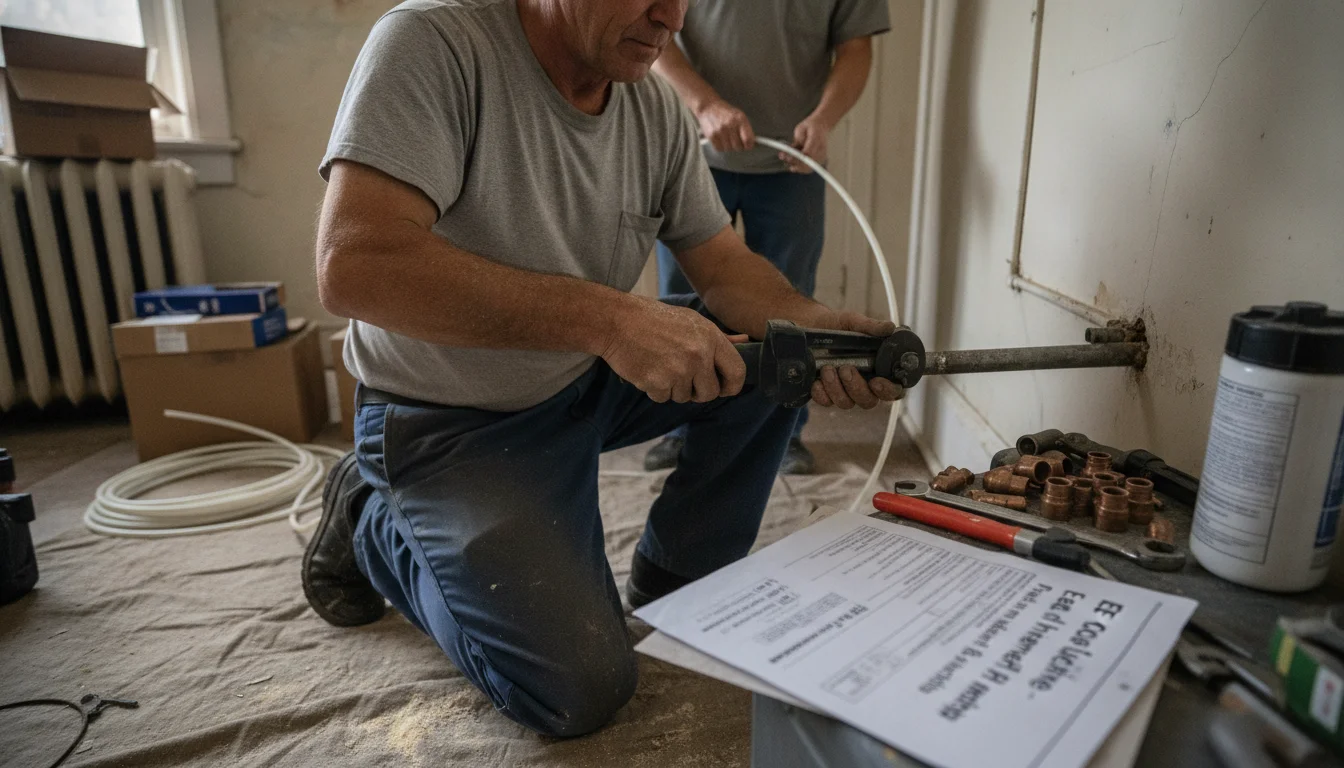
A repipe is a planned replacement of water supply piping across a home or building. The scope typically includes new shut‑off valves, fresh supply lines to each fixture, and proper supports. Crews open targeted wall or ceiling areas, route the new lines, and cap or abandon the old ones. The result is a refreshed system with steady pressure and cleaner water delivery.
A spot repair is a focused fix for a single leak or failing section. A plumber exposes the problem area, removes the compromised pipe or fitting, and installs new components. That may be a short run of pipe, a coupling, or a valve. The objective is to stop one failure quickly with minimal access work.
Both approaches use licensed methods and code‑approved materials. The true difference is scope. Repiping addresses system‑wide age, material concerns, or chronic failures. A repair resolves a single break, pinhole, or loose joint. If leaks have been recurring, one more patch may only delay the underlying issue.
For many in St. Joseph, the choice affects daily routines. Is it easier to plan one coordinated project, or to accept the chance of more visits if failures pop up again? St. Joseph Plumber can walk you through pros and cons tied to your layout, fixtures, and water demand.
What a full repipe includes
A full repipe starts with mapping the existing system, planning routes, and protecting finishes. Crews set dust control, shut off water in stages, and open carefully chosen access points. They run new lines, pressure‑test, sanitize, and restore surfaces. Expect new angle stops, supply tubes, and correct supports. Old galvanized or thinning copper is taken out of service.
What counts as a spot repair
Common repairs include cutting out a pinhole section, rerouting a bad slab segment through walls or ceilings, or replacing a failed valve. Limits emerge when leaks repeat, pipe walls thin, or corrosion spreads beyond an isolated area. At that point, more patches can increase risk, disruption, and total time invested.
Warning signs and diagnostics before you decide
Plumbing often gives clues before a failure. Watch for green or rusty stains on fittings, frequent pinholes, or damp drywall. Sudden pressure drops, cloudy water, metallic tastes, or temperature swings also indicate trouble. Age counts: older galvanized lines corrode internally, and copper can pit due to water chemistry and velocity.
Leak patterns tell a story. One isolated leak near a water heater can point to localized heat stress. Multiple leaks in different areas often signal material age or system wear. Slab leaks can present as warm floor spots, a spinning water meter when fixtures are off, or swelling at baseboards.
Professionals confirm hidden problems with targeted tools. Acoustic leak detection listens for pressurized leak noise. Thermal imaging reveals heat signatures from hot‑water lines or damp areas behind finishes. Pressure testing verifies that lines hold at specified levels. Dyes and moisture meters help trace ceiling and floor stains to their sources.
For water quality, licensed plumbers can review city reports and test at the tap. If you have concerns about older service lines or fixtures, follow federal guidance on testing and mitigation in the EPA’s Lead and Copper Rule, which outlines sampling and risk control steps (EPA Lead and Copper Rule).
If you face an active break, use the Emergency Plumbing service right away. Shut off the main valve, open low taps to drain, and keep people out of wet areas. For standing water or a constantly spinning meter, the Leaks & Burst Pipes service aligns with rapid detection and containment.
How pros verify problems
- Acoustic listening: Finds pressurized leaks behind finishes.
- Thermal imaging: Maps hot lines and damp zones.
- Pressure testing: Confirms tightness before closing walls.
- Endoscopic cameras: Inspect accessible chases and voids.
- Water tests: Check pH, hardness, and metals that drive corrosion.
Costs that matter: upfront vs lifetime total cost of ownership
Total cost of ownership spans the entire life of your decision. In plumbing, this includes the first repair, any repeat calls, potential damage from future leaks, and time lost during work. It also covers access openings, finish repairs, and any upgrades required by code.
Upfront spend for a single fix is typically lower than a whole‑home project. But the long view can flip that math if leaks keep happening. Multiple service visits, repeated drywall openings, repainting, and days with limited water add up. A planned repipe groups access, testing, and restoration into one organized window.
Think beyond the next appointment. Consider the next five to ten years. Do pipe age and material suggest more failures soon? Are you planning a remodel that will open walls anyway? Combining projects can reduce disruption and consolidate restoration work.
Hidden costs matter. Water damage can impact framing, floors, cabinets, and insulation. Mold growth can force removal of wet materials and specialized cleaning following industry references like the IICRC S500 water damage guidance (IICRC S500 Overview). Commercial properties face downtime risks, lost revenue, and tenant impacts.
When comparing repiping vs spot repairs, list soft costs too. Time off work, moving furniture, and living with limited bathroom access all influence the real‑world cost in St. Joseph and surrounding neighborhoods.
What to consider beyond the invoice
- Damage risk: A single kitchen leak can affect many finishes.
- Repeat access: Opening and patching the same wall over and over strains time and budgets.
- Scheduling: One planned project window vs a series of urgent visits.
- Insurance: Understand limits on gradual leaks before deciding.
Materials, code compliance, and expected lifespan
Pipe material heavily influences lifespan and performance. Copper is durable and proven. It resists UV and heat and looks tidy when runs are exposed. It can pit in aggressive water and requires skilled soldering. PEX is a flexible plastic that snakes through tight spaces, uses fewer fittings, and tolerates freeze expansion better than rigid pipe. It must be protected from sunlight and high heat.
CPVC is a rigid plastic suitable for hot water. It solvent‑welds and resists corrosion, though it can become brittle if stressed and needs proper support. Old galvanized steel corrodes internally, narrowing the passage and discoloring water. These lines commonly call for replacement rather than continued patching.
Local code governs materials, supports, valves, backflow prevention, and testing. Many US jurisdictions adopt versions of the International Plumbing Code or Uniform Plumbing Code. Your plumber will pull permits, run pressure tests, and install proper shut‑offs and hammer arrestors as required. Manufacturers also publish installation guides and warranty conditions.
Water chemistry and pressure shape decisions. High static pressure strains joints and valves; a pressure‑reducing valve may be recommended to keep levels in range. Aggressive water chemistry accelerates corrosion. Pros can test and guide material selection for your block and building vintage.
For potential lead exposure in older homes, review EPA guidance on sources and mitigation in residences. It covers fixture choices, certified filters, and replacement steps (EPA Lead in Homes). Always select third‑party‑listed materials and follow code.
Expected service life at a glance
- Copper: Long service when sized correctly and matched to local chemistry.
- PEX: Long service; flexible routing means fewer fittings and potential leak points.
- CPVC: Reliable where allowed; protect from impact and stress.
- Galvanized: Often near end of life in older housing stock.
Decision framework: when repiping wins and when repairs make sense
Start with age and failure frequency. If the home has experienced several leaks within a short period, a repipe may be wiser than continued patches. If lines are relatively new and the failure ties to a single event or fitting, a spot repair often resolves it. Match the remedy to the cause, not just the symptom.
Consider timing. If a kitchen or bath remodel is on the calendar, fold a repipe into that scope. Walls will be open anyway, reducing dust and finish work duplication. If you just remodeled and a single valve failed, a careful localized fix can protect new tile and cabinetry.
For households, water access matters. A repipe can be staged to keep at least one bathroom operational most of the day. Repairs are usually faster, but if they happen often, the interruptions can still be significant. The best plan balances speed with lasting peace of mind.
Commercial and multifamily settings involve different calculus. Leaks affect many users and may impact safety systems. Downtime can mean lost income, rent credits, or compliance issues. A planned repipe during low‑use periods can reduce risk. Spot repairs remain practical for isolated fixtures, such as a single unit’s angle stop or a mechanical room valve.
Use this simple flow:
- Map leaks over time. Many zones involved? Consider repiping.
- Check material and age. Old galvanized or thinning copper? Repiping is likely.
- Review water chemistry and pressure. Aggressive water or high pressure? Choose materials and controls accordingly.
- Align with remodels. Open once, finish once.
- Confirm access. Complex chases often favor flexible PEX routes.
Residential vs. commercial triggers
- Residential: Two or more leaks in a year, discolored water, and aging materials point toward replacement.
- Commercial/multifamily: Occupancy, fire‑life safety considerations, and downtime costs can favor planned replacements.
Project logistics, timelines, and level of disruption
Repiping is organized work. Expect a site walk, permitting, and a plan for selective access points. Crews protect floors, set dust control, and isolate work areas. Water is off in blocks rather than continuously. New lines are routed, secured, and pressure‑tested. Surfaces are closed and patched following inspection. Final steps include flushing and sanitizing the system.
Most single‑family repipes take several days, depending on square footage and access complexity. Multi‑story homes, tight chases, and plaster finishes can add time. With good planning, at least one bathroom can remain usable during much of the project, so many families stay in the home.
Spot repairs are swift and targeted. The plumber locates the fault using acoustic or thermal tools, isolates the section, and opens a small access point. After making the repair, they pressure‑test and dry the cavity. Drywall patch and paint follow, often within the same visit for straightforward cases.
If a pipe bursts, shut off the main supply immediately. Open a low tub or hose bib to drain the lines, move belongings out of wet zones, and avoid standing water for electrical safety. Call on Emergency Plumbing for rapid help, then schedule Leaks & Burst Pipes for follow‑up testing and restoration planning as needed.
Garbage Disposal Repair, Kitchen Plumbing, and other fixture services can be bundled after a repipe to set your kitchen and baths up properly. That way, fresh supply lines and upgraded fixtures work together, and you avoid new fixtures tied to aging lines.
What to expect from crews
- Clear schedule: Defined daily start and stop times.
- Containment: Floor protection and dust control.
- Testing: Pressure tests before close‑up and finish work.
- Updates: Plain‑language notes on progress and next steps.
Insurance, warranties, financing, and ROI
Home and business insurance often distinguishes sudden accidental discharge from slow seepage. Coverage for the break, access, and build‑back varies. Many policies exclude long‑term seepage. Document damage with photos and keep service reports. The Insurance Information Institute provides overviews of water loss categories and claim tips (III Water Damage Basics).
Contractors offer workmanship warranties, and manufacturers back materials when installed per specifications. Ask what each covers and for how long. Keep permits, inspection records, and pressure‑test results. These support future property sales and any insurance claims.
Payment approaches differ by contractor and scope. Some owners phase work, addressing the most at‑risk zones first. Others tie repiping to renovations to reduce total downtime. Long‑term value shows up as fewer leaks, more stable pressure, clearer water, and documentation that appeals to buyers.
Frequently Asked Questions
What should I do first when a pipe bursts?
Turn off the main water valve. Open a low faucet to drain the lines. Keep power sources protected from water and move items out of wet areas. Use Emergency Plumbing for immediate help, then schedule Leaks & Burst Pipes to inspect and repair the system.
How do I know if a small fix is enough?
If pipes are relatively new and the leak clearly ties to a single joint, valve, or event, a spot repair can be sensible. If you see repeat leaks in different rooms, discolored water, or low pressure from aging lines, repiping typically addresses the root cause.
Which pipe material lasts the longest?
Copper, PEX, and CPVC all offer many years of service when installed properly and matched to your water chemistry and pressure. Galvanized steel is usually near end of life in older homes. A licensed plumber will align material choice with code, pressure, and layout.
Will insurance cover a repipe after a leak?
Policies vary. Many cover sudden breaks but exclude long‑term seepage. Some include access and build‑back, others do not. Save photos, invoices, and inspection notes, and confirm specifics with your carrier before committing to major work.
How do I find reliable pipe repair near me?
Seek a licensed, insured plumber with strong local reviews and clear warranty terms. Ask about diagnostics, permitting, and materials. St. Joseph Plumber can inspect, test pressure, and explain options, from a precise repair to a whole‑home repipe.
Key takeaways
- Match the remedy to the cause, not just the symptom.
- Evaluate total lifetime impact, not only today’s visit.
- Select materials that fit local water chemistry and code.
- Coordinate with remodels to minimize disruption.
- Document work for insurance and future resale.
Conclusion
Choosing between repiping vs spot repairs is ultimately about managing risk, time, and long‑term reliability. A focused fix can stop one failure quickly, while a planned repipe can end a cycle of hidden damage and urgent calls. Across the St. Joseph area—Downtown, Lakeshore Drive, Benton Harbor, Stevensville, Fair Plain, Shoreham, and nearby communities—St. Joseph Plumber helps owners compare options with clear steps and licensed workmanship in St. Joseph. Contact us.