Water Tank
Expansion, Well and Storage Tanks
St. Joseph Plumber covers the tanks that keep household water steady: thermal expansion tanks beside water heaters, pressure tanks on private wells, and storage tanks for backup or rainwater. Trouble announces itself through pressure that swings, a pump that clicks on and off, a relief valve that drips or damp fittings, and none of it improves with time. Ignoring the warning usually ends in a wet floor, a burned-out pump or a worn-out heater.
Getting it right means sizing the tank to the system, matching the air pre-charge and fitting the correct valves around it. Whether it is a dead expansion tank, a waterlogged well tank or a storage tank to tie in, the work is available across St. Joseph, MI, from the lakefront streets inland.
Services
Tank Work Available
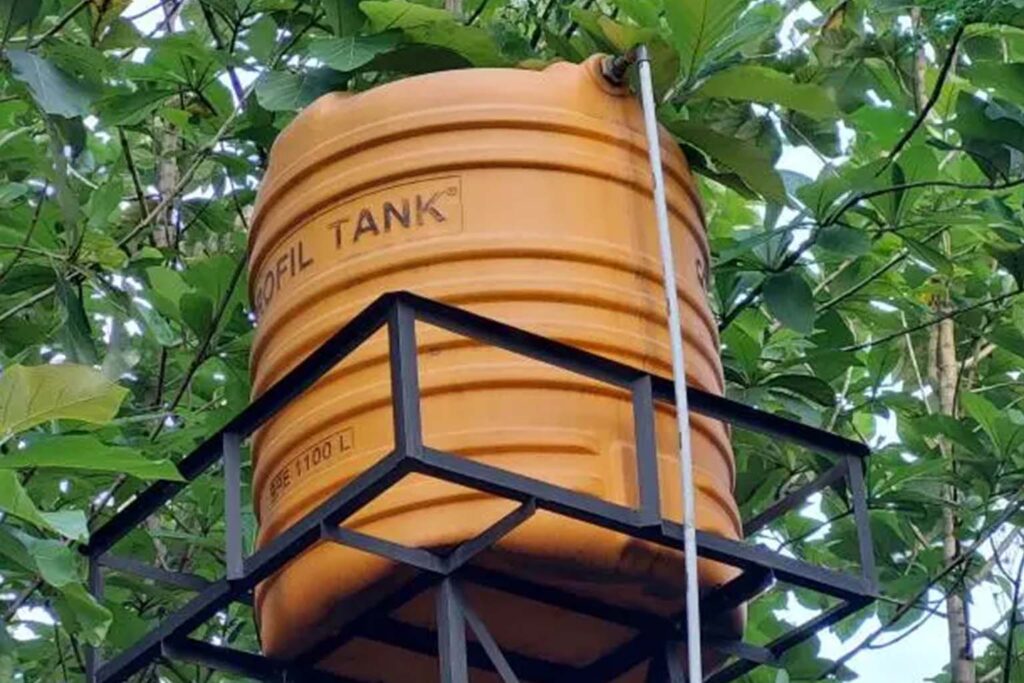
Fitting a Brand-New Tank
Expansion, well pressure and storage tanks, each sized to suit the water heater, pump or household demand behind it.
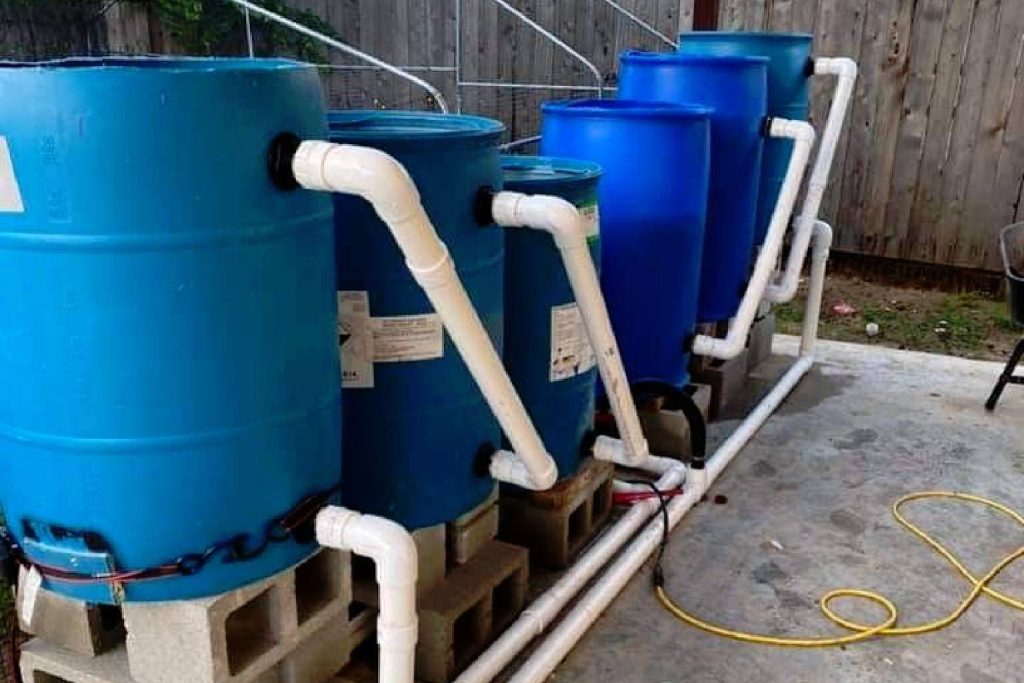
Swapping Out a Tank
A tank that has rusted through, leaks, waterlogged or is too small gets replaced with the correct type and capacity.
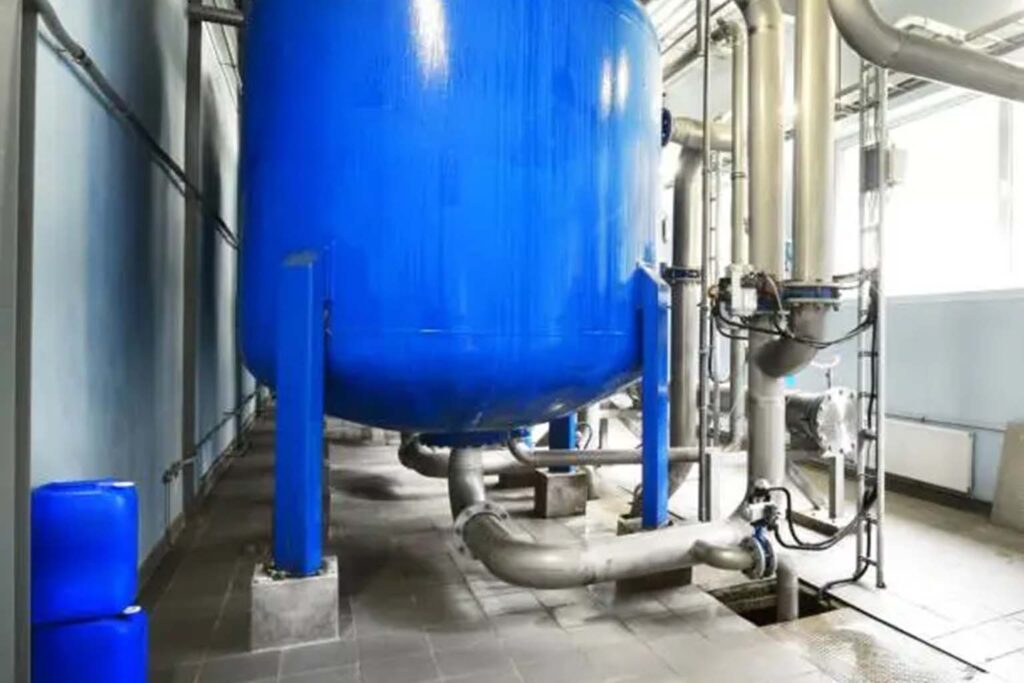
Expansion Tank Care
Pre-charge checks and adjustment, failed-tank replacement, and a cure for the relief valve that drips whenever the heater fires.
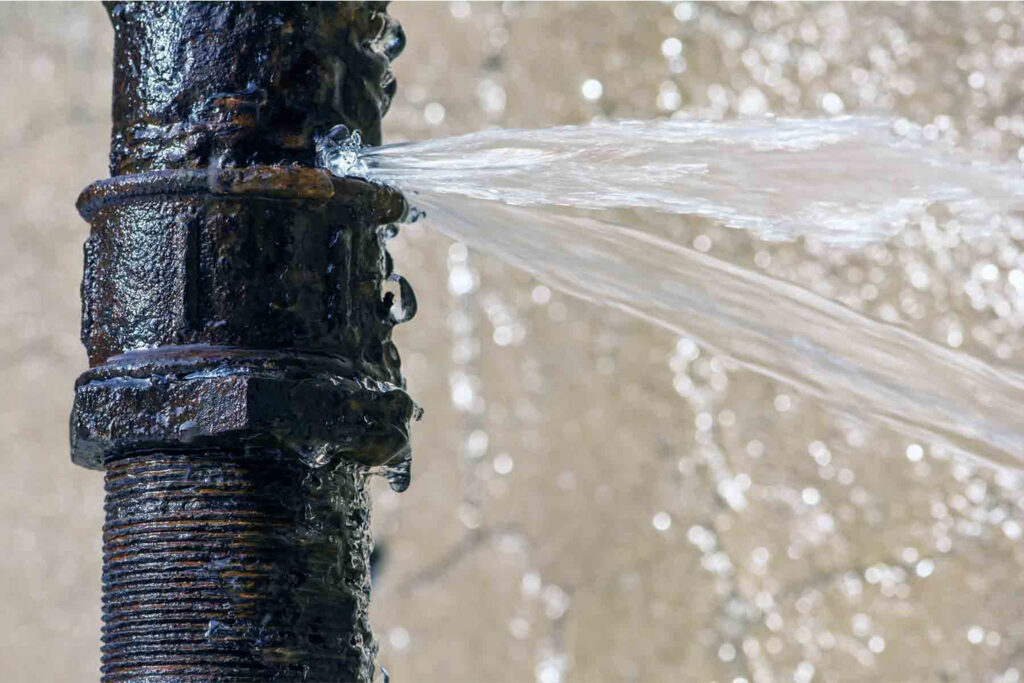
Fixing Tank Leaks
Weeping seams, inlet and outlet connections, fittings and valves are dealt with before water reaches floors or walls.
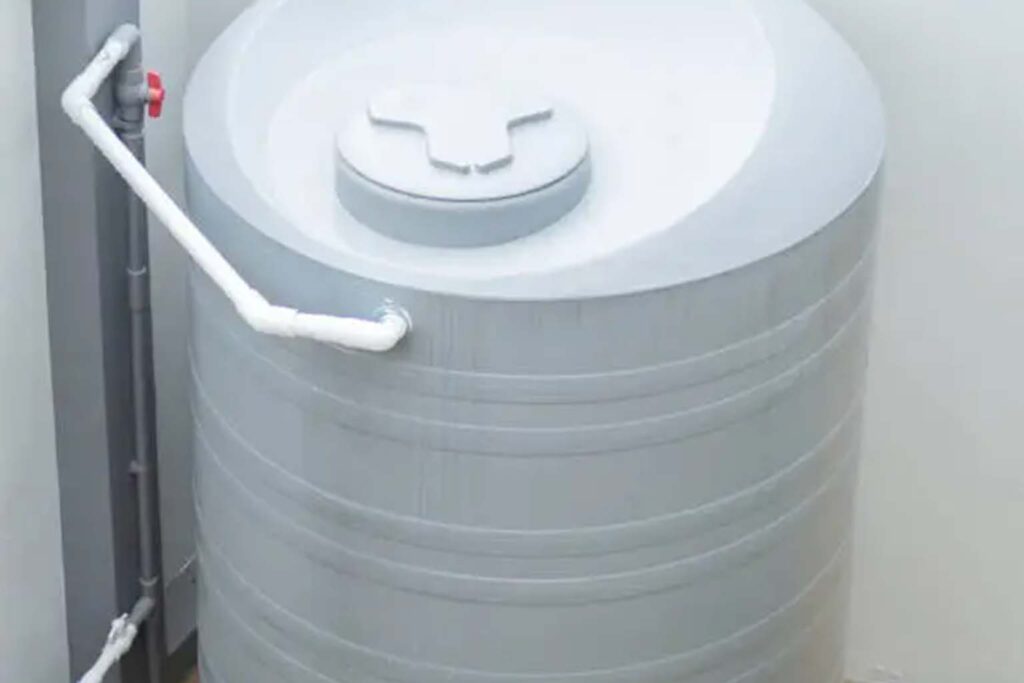
Well Tank Troubleshooting
Waterlogged tanks, badly set pressure switches and pumps that short-cycle and wear themselves out well ahead of schedule.
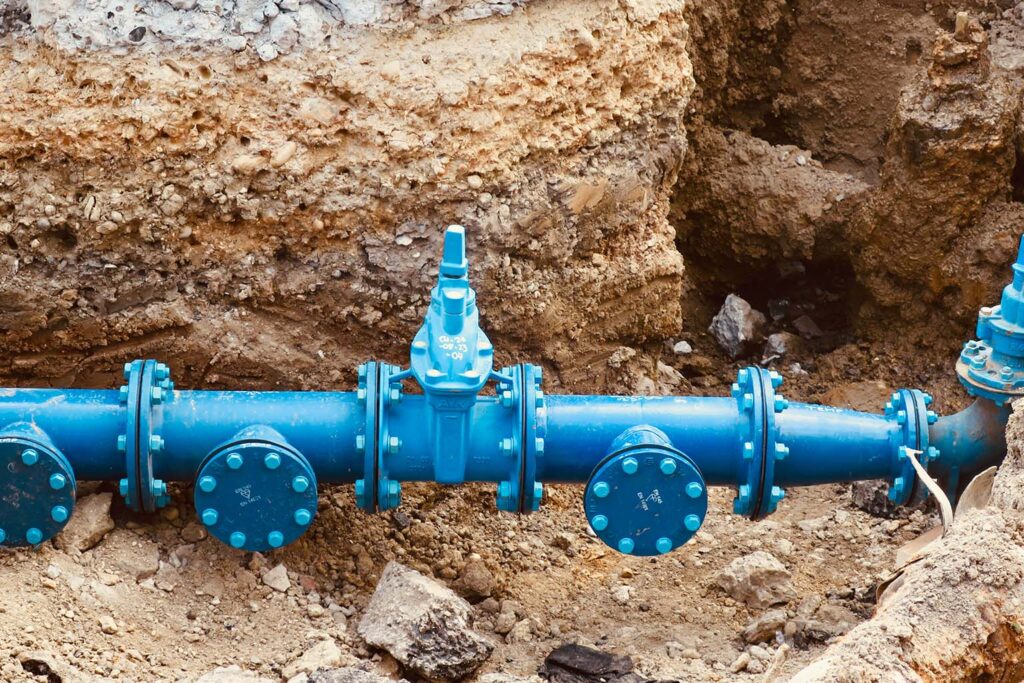
Pipe and Valve Renewal
Worn or corroded pipe, shutoff valves, gauges and supports around the tank are replaced as needed.
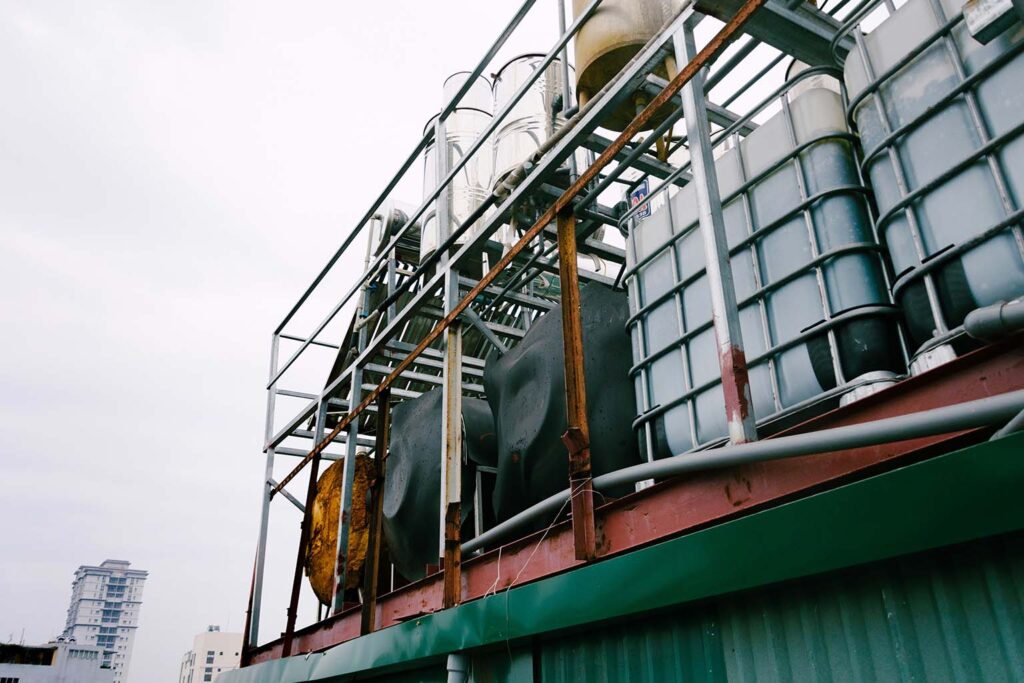
Hooking Up Storage Tanks
Backup and rainwater tanks need pumps, filters and backflow protection, which the city’s cross connection inspection looks at.
Hiring Tips
What to Look for With St. Joseph Plumber Tank Work

Installation Basics
Manufacturer instructions govern sizing, mounting and connections, so ask the installer how the system gets tested afterward.

Close to Home
Work covers homes around St. Joseph, MI, which makes a follow-up visit simple if you need one.

Fixes That Hold
From a dead expansion tank to a whole well tank swap, the goal is the real cause, not a patch.

Plain Guidance
Help is on hand choosing a tank type and size for a heater, a well or a storage setup.

Tidy, Careful Jobs
Floors get covered, the area is kept neat and the room is left just as it was found.
Every plumbing problem has its own story, and this one begins with a tank that has stopped doing its job.
Faults
Tank Problems We Deal With
- Leaks at the tank or fittings
- Relief valve weeping or spitting
- Pressure that swings up and down
- Well pump clicking on and off a lot
- Corroded or rusting tank body
- Pressure tanks gone waterlogged
- Rattling or hammering pipes
- Expansion tank too small or dead
- Tank unable to hold pressure
Whatever your tank is doing wrong in the house, the cause can be traced and corrected.
Where We Work Locally
Where Tank Work Is Available Near St. Joseph, MI
Tank work is available around:
Frequently Raised Questions
Tank Questions
What is an expansion tank for?
Heating water makes it expand, and in a closed system the extra volume has nowhere to go, so pressure climbs on the pipes, valves and the heater itself. The tank keeps an air cushion that soaks up that surge, holding pressure level, protecting fixtures and keeping the relief valve from weeping.
Which symptoms point to a bad expansion tank?
Knock on it. A healthy tank rings hollow near the top, and a waterlogged one sounds dense all the way up. Other warning signs include a dripping relief valve, pressure that jumps whenever the heater runs and water spitting out of the air valve itself.
Signs a well pressure tank is going bad?
Short cycling is the classic sign: the pump kicks on and off every few seconds while a tap is running. Pulsing pressure at the faucet, a gauge needle that swings fast, and rust or moisture on the tank body are other clues.
Why does my relief valve keep dripping?
Pressure often spikes when the heater runs and a dead or absent expansion tank cannot absorb it, so the temperature and pressure relief valve lets go. The valve itself may be worn instead. Get it checked either way, because it is a safety device.
How long can a pressure tank last?
Lifespan follows water quality, pressure settings and how often the pump cycles. Checking the pre-charge during routine upkeep and curing short cycling early do the most to stretch a tank’s working life.
Is swapping a tank a DIY job?
Some owners manage it, but it means draining the system, matching the pre-charge to line pressure and making tight connections. Mistakes can flood a utility room. If you hire out, check the plumber’s license with the Michigan Bureau of Construction Codes.
How do I size an expansion tank?
Water heater capacity and household water pressure decide it, and a plumber matches the tank to both. Too small a tank leaves pressure building, while an oversized one adds weight and cost without any real benefit.
Is an expansion tank required with my water heater?
A closed system, from a check valve or pressure-reducing valve on the main, usually calls for one. The City of St. Joseph Building Inspection Department enforces the 2021 Michigan Plumbing Code, so ask what it requires for your heater.
Why does my well pump keep cycling so fast?
Rapid cycling usually means the tank has lost its air charge or the bladder has failed, so it can no longer hold water under pressure. A faulty pressure switch can do the same. Left alone, short cycling wears the pump out quickly.
Which kind of tank suits a home best?
Use decides it. Expansion tanks protect heaters in closed systems, bladder-style pressure tanks suit private wells, and polyethylene tanks are the common pick for above-ground storage. The right type gets chosen once the exact job is clear.
What affects the cost of a replacement tank?
Tank type and capacity, how hard the tank is to reach and whether pipe or valves are replaced alongside it all shape the final figure. Ask for the estimate in writing, with the tank model and any added parts listed.
Must a storage tank rest on a concrete base?
Not always, but the base must be firm and level, because an uneven one stresses the shell. NOAA normals show about 127 days a year at or below freezing nearby, so outdoor tanks and fittings need freeze protection as well.