A plumbing snake is a flexible cable that clears many clogs inside drain pipes. It moves through the pipe, reaches the blockage, and breaks it apart or pulls it out. The right snake can help with a simple drain problem, but deeper damage may need a licensed plumber from St. Joseph Plumber. This guide explains how snakes work and when to use one.
Table of Contents
- What Is a Plumbing Snake?
- How Does a Plumbing Snake Work?
- What Types of Plumbing Snakes Are Available?
- When Should You Use a Plumbing Snake?
- How Do You Use a Plumbing Snake Safely?
- What Can a Plumbing Snake Not Remove?
- How Can You Prevent Recurring Drain Clogs?
- Frequently Asked Questions
- Key Takeaways
- Conclusion
What Is a Plumbing Snake?
A plumbing snake is a long, flexible tool for clearing blocked drains. It is also called a drain auger. The tool has a cable that travels inside the pipe. A handle, drum, or motor turns the cable as it moves forward.
A snake does not dissolve a clog like a chemical drain cleaner. Its tip pushes through the blockage, breaks it apart, or catches material. This lets water move through the pipe again. A snake can help with many sink, tub, shower, and toilet clogs.
How a plumbing snake clears a blockage
The cable follows the open space inside a drain. When the tip reaches the clog, the user turns or powers the cable. The tip may pierce soft material, catch hair, or loosen grease and soap. Water can then pass through the cleared opening.
A snake may only make a small path through the clog. It does not always clean the whole pipe wall. If the drain clogs again soon, the line may have heavy buildup, tree roots, or a damaged section.
The main parts of a drain snake
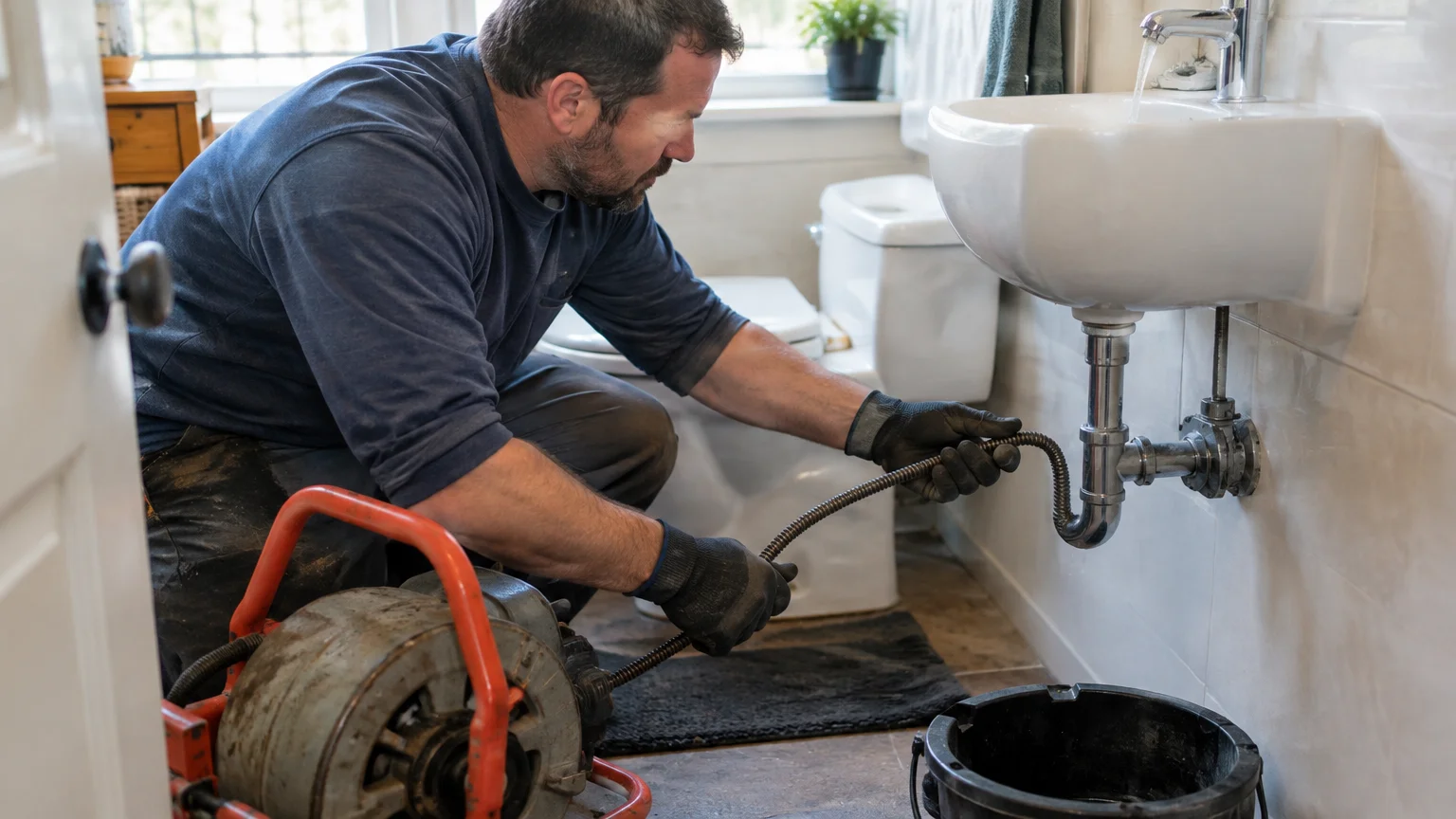
Most drain snakes have a cable, a handle or motor, and a working tip. Some also have a drum that stores the cable. The drum helps the user control the cable. Larger machines may have a foot switch and guide tube.
Cable size matters. A small cable fits narrow household drains. A larger cable is made for wider pipes and harder blockages. The wrong size can harm a fixture, trap, or pipe. Always read the tool directions before use.
How Does a Plumbing Snake Work?
A plumbing snake works by sending a turning cable into a drain. The cable travels until it reaches the blockage. Its tip then breaks, loosens, or catches the material. The user must control the pressure and speed to protect the pipe and fixture.
How the cable reaches and breaks through clogs
The user feeds the cable into the drain a little at a time. Turning the handle helps the tip move around bends. Resistance may mean the cable reached a clog, pipe bend, or fitting.
Do not force the cable. Gentle pressure and steady turning usually work better. When the tip enters the blockage, the cable may move farther into the pipe. The user can then work it back and forth to open the drain.
Some tips look like corkscrews. They can grab hair and soft debris. Other tips bore through material or open a wider path. A professional chooses the head based on the pipe size and clog type.
Manual, drill-powered, and motorized drain snakes
A manual drain snake uses hand power. It works well for small clogs near a sink, tub, or shower. A drill-powered model turns the cable faster. It needs careful handling because extra force can harm fittings or pipes.
A motorized drain machine is made for deeper or larger blockages. It has more power and often uses a longer cable. These machines can be heavy and hard to control. They may expose the user to dirty water, sharp cable movement, and splashback.
For a simple clog, a homeowner may not need a professional. A stubborn blockage, repeated backup, or unknown pipe condition needs more care. Professional Drain Cleaning Services can help find the cause. St. Joseph Plumber helps property owners choose a safe method instead of guessing.
What Types of Plumbing Snakes Are Available?
Plumbing snakes come in many sizes and designs. The best choice depends on the fixture, pipe size, clog location, and blockage material. A small hand tool is not a substitute for equipment made for a sewer line.
When to use a hand auger or sink snake
A hand auger is a small manual snake for short, narrow drain lines. It may help with hair, soap, and light food debris. It is often used at bathroom sinks, tubs, and showers.
A sink snake can help when the trap is easy to reach. A trap is the curved pipe below a sink. It holds water and helps keep sewer gases out of the room. It can also collect hair and other debris.
A homeowner may remove and clean an accessible trap when safe. Use a bucket and cloth to control the water. If the trap is stuck, cracked, or hard to reach, do not force it. Forcing it can cause a leak.
When a toilet auger or drum machine is more suitable
A toilet auger is made for toilet bowls and their built-in trap. It has a protective guide that helps guard the porcelain. A standard sink snake may scratch the bowl. It may also fail to follow the toilet’s curved passage.
A drum machine fits longer drain runs and tougher clogs. It may be used for main drains, business drains, or repeated backups. These tools need training and protective gear.
The wrong snake can push a clog deeper or become stuck. It may scratch a fixture, harm an old pipe, or break a weak joint. The tool should match the job. The strongest tool is not always the safest choice.
When Should You Use a Plumbing Snake?
A plumbing snake is most useful when one fixture drains slowly or stops. It may help when a plunger cannot clear a soft blockage. Identify the affected drain before using any tool.
Drain problems a snake may solve
A snake may remove hair from a shower drain, food from a kitchen sink, or paper from a toilet. It may also clear soap near a tub drain. These problems often affect one fixture. The drain may improve after the blockage is removed.
Useful signs include:
- One sink, tub, or shower drains slowly.
- A toilet bowl rises but does not overflow.
- Water backs up at only one fixture.
- A plunger helps the drain for a short time.
- The blockage began after debris entered the drain.
Do not mix chemical drain cleaners with other products. They can create dangerous fumes. They may also remain in the pipe when a snake enters. Tell the plumber if any chemical was used in the drain.
Signs the blockage may be deeper in the plumbing system
Several slow fixtures often point to a shared drain problem. Gurgling sounds, sewage smells, or water rising in a lower fixture can also signal a deeper blockage. The problem may involve a building drain or sewer line instead of one sink trap.
A blocked drain plumber may need professional tools to inspect the line. Repeated backups can point to tree roots, pipe damage, or heavy scale. A snake may open the line for a short time without fixing the main cause.
Emergency plumbing help matters when sewage enters the home. It is also important when wastewater spreads over floors or threatens electrical equipment. Limit water use when needed. Avoid contact with dirty water.
How Do You Use a Plumbing Snake Safely?
A homeowner can sometimes use a small manual snake for a simple, reachable clog. Safe use needs the right tool, slow movement, and protection for skin and eyes. A professional should handle powered machines, deep lines, and uncertain pipe conditions.
Steps for snaking a household drain
- Remove standing water when possible and protect the work area.
- Put on gloves and eye protection before opening the drain.
- Remove the stopper or strainer without forcing it.
- Feed a small section of cable into the drain.
- Turn the handle while using gentle forward pressure.
- Pull the cable back slowly when it meets strong resistance.
- Clean the cable and repeat only if the blockage loosens.
- Run water slowly and check for leaks around the fixture.
Keep the cable under control at all times. Do not push the full length into a pipe without knowing its path. After use, wash and dry the cable. Store it where children cannot reach it.
Common mistakes that can damage pipes or fixtures
Forcing the cable is a common mistake. It can bend the cable, break a fitting, or push the clog farther away. A drill at high speed can cause the same trouble.
Do not snake a drain after pouring in a strong chemical cleaner. The cable may carry the chemical back toward you. Avoid removing parts that are hard to reseal.
Stop if the tool hits hard resistance, the pipe leaks, or the fixture moves. These signs need professional help. St. Joseph Plumber serves St. Joseph and nearby places, including Downtown St. Joseph, Lakeshore Drive, Benton Harbor, Stevensville, Fair Plain, and Shoreham. The team helps with drains and plumbing repair when simple upkeep is not enough.
What Can a Plumbing Snake Not Remove?
A plumbing snake cannot repair a collapsed pipe or replace a broken fitting. It may also fail against tree roots, solid mineral scale, or a blockage caused by structural damage. Opening the drain does not fix the reason for the backup.
Blockages caused by tree roots, collapsed pipes, or heavy buildup
Tree roots can enter small openings in underground sewer lines. They may catch paper and waste as water passes. A snake can sometimes make a narrow path. Roots may grow back unless the damaged line receives proper care.
A collapsed pipe blocks water because the pipe no longer gives water a clear path. Heavy buildup can also shrink the open space inside a pipe. Older metal pipes may have rust, scale, or rough inner walls that collect debris.
Signs of a structural problem include repeated clogs, sewage smells, wet ground near a sewer line, and several fixtures backing up together. These problems need a clear diagnosis before repair work begins.
When drain cleaning or camera inspection is needed
Drain cleaning uses professional equipment to remove more buildup than a small household snake. A camera inspection sends a small camera through the line. It shows the location and condition of a blockage without guesswork.
A licensed plumber may suggest an inspection when the problem keeps returning. The plumber may also check cleanouts, pipe connections, and the main sewer line. Sewer Line Repair may be needed when the camera shows a break, offset, or collapse.
The next step depends on the pipe material, access, damage, and location. The final cost is confirmed on a quote after the needed work is understood. Good plumbing advice should explain the cause before repair begins.
How Can You Prevent Recurring Drain Clogs?
The best way to prevent clogs is to keep grease, hair, solids, and harsh materials out of drains. Simple habits can protect household pipes and shared plumbing lines. Prevention cannot repair a damaged or poorly graded pipe.
Everyday habits that help keep drains flowing
Kitchen sinks should not receive cooking grease, oil, coffee grounds, bones, or fibrous food scraps. A strainer can catch larger pieces before they enter the pipe. Let grease cool and place it in a suitable container instead.
Bathroom drains need regular hair removal. A drain cover can catch hair before it reaches the trap. Toilets should receive only human waste and toilet paper. Wipes, paper towels, cotton products, and cleaning cloths can cause blockages even when labels seem safe.
Helpful habits include:
- Clean sink and tub strainers often.
- Remove visible hair before it enters the drain.
- Flush kitchen lines with suitable amounts of hot water.
- Keep food scraps out of garbage disposals.
- Do not pour paint, chemicals, or oil into drains.
- Watch for slow flow and gurgling sounds.
When to call a licensed plumber for persistent problems
A licensed plumber should inspect a drain when clogs return, several fixtures slow down, or sewage backs up. Professional help is also wise when a property has old pipes, unknown repairs, or a suspected sewer issue.
A tenant should report recurring drainage problems to the owner or manager. An investor or first-time buyer may want a plumbing inspection before making a major property choice. Early checks can reveal problems hidden behind walls or below floors.
Homeowners in St. Joseph can rely on St. Joseph Plumber for guidance about blocked drains, sewer concerns, and related plumbing repair. Local weather, pipe age, and property layout can affect the best repair plan.
Frequently Asked Questions
Is a plumbing snake the same as a drain auger?
Yes. Plumbing snake and drain auger are common names for a flexible cable tool. The tool clears drain blockages. Some augers are small and hand powered. Others are large machines for longer pipes. The name does not always show the tool’s size or power.
Can a plumbing snake damage a pipe?
Yes, wrong use can damage pipes, joints, traps, and fixtures. Too much force, high drill speed, or the wrong cable can cause problems. Old or weak pipes need extra care. Stop when resistance feels unusual. Seek help instead of forcing the tool.
Should a homeowner snake a clogged toilet?
A homeowner may use a toilet auger for a simple toilet blockage. A standard drain snake is not the best choice. It may scratch the porcelain or fail to follow the toilet trap. If the toilet keeps backing up, several fixtures are affected, or sewage appears, a licensed plumber should inspect the line.
Why does a drain clog again after snaking?
Snaking may open a path without removing all the buildup. The clog may also come from tree roots, a damaged pipe, or a problem farther down the line. Repeated blockages need a deeper inspection. Professional drain cleaning or a camera check may find the cause.
When should a plumber handle drain cleaning?
A plumber should handle drain cleaning when the blockage is deep, severe, or recurring. Professional help is also needed for sewage backups, several slow drains, suspected pipe damage, or a chemical-filled drain. Trained workers have equipment for larger lines and can reduce the risk of damage.
Key Takeaways
- A plumbing snake uses a flexible cable to reach and clear drain clogs.
- Small manual snakes can help with simple, reachable household blockages.
- Toilet augers protect toilet bowls better than general drain snakes.
- Repeated backups may point to roots, heavy buildup, or damaged pipes.
- A licensed plumber should inspect deep, recurring, or sewage-related problems.
Conclusion
A plumbing snake can solve some common drain problems when the blockage is soft, nearby, and easy to reach. It is not a cure for collapsed pipes, tree roots, or serious sewer damage. Careful use protects fixtures and pipes. Repeated problems need a proper inspection.
For drain concerns in St. Joseph and nearby communities, St. Joseph Plumber can help identify the next safe step. Contact us to discuss a blocked drain, sewer concern, or plumbing problem that has not stayed fixed.