Property plumbing problems often start with a slow drain, weak water flow, or a damp mark. Owners should record these signs, protect people, and arrange a professional check before damage spreads. Early action helps protect walls, ceilings, fixtures, tenants, and daily building work.
Table of Contents
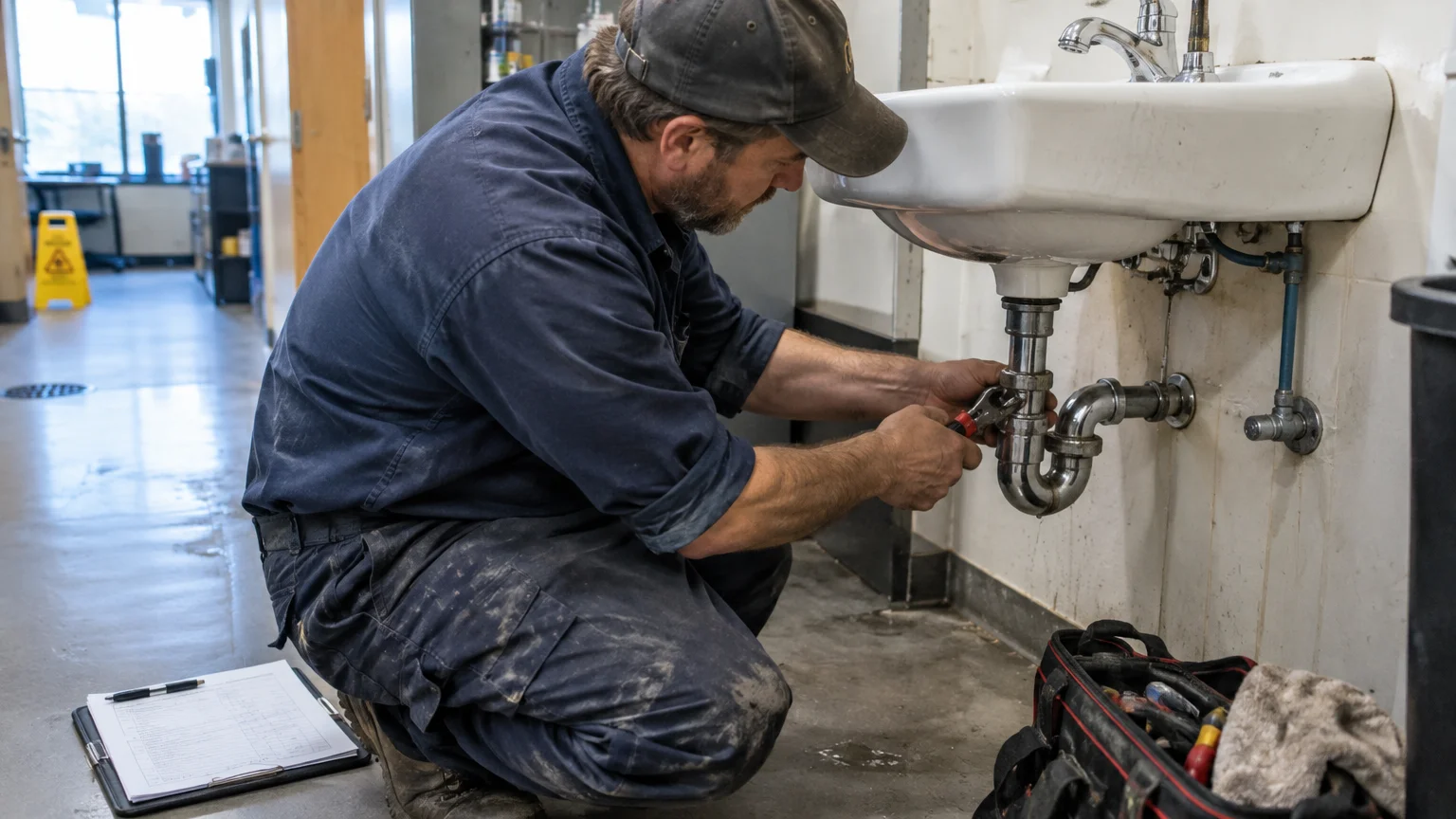
- What are the most common property plumbing problems?
- Which warning signs indicate a developing plumbing problem?
- How can leaks affect a commercial property?
- When does a blocked drain require professional attention?
- How often should property plumbing systems be inspected?
- What should property owners do during a plumbing emergency?
- How can owners prevent recurring property plumbing problems?
- Frequently Asked Questions
What are the most common property plumbing problems?
The most common property plumbing problems include leaks, blocked drains, low water pressure, running toilets, water heater faults, and damaged pipes. Commercial buildings may also have trouble with sump pumps, backflow devices, shared supply lines, and large drain systems. Any of these problems can affect many rooms or tenants when no one deals with them early.
How commercial plumbing issues differ from residential problems
Commercial systems serve more people and often work for longer hours. A small fault in an office, shop, or apartment building can affect several suites. A blocked shared drain may also cause backups in more than one unit. Large pipes, pumps, valves, and water heaters can make the source harder to find.
Residential plumbing usually has fewer fixtures and shorter pipe runs. Commercial properties may have kitchens, public restrooms, laundry rooms, tenant bathrooms, and mechanical spaces. These systems need clear records and planned care. St. Joseph Plumber helps property owners in St. Joseph understand which issues need quick plumbing repair and which can be planned.
Which building systems deserve the closest attention?
Owners should watch supply pipes, drain lines, water heaters, shutoff valves, pumps, toilets, sinks, and gas-connected equipment. Gas work needs a qualified professional. A gas odor is an emergency. People should leave the area, avoid flames and switches, and follow local emergency guidance.
Water heaters also need close attention. Warning signs include rusty water, odd sounds, leaks, and poor hot water flow. Services such as Water Heater Installation and Anode Rod Replacement Water Heater may help when equipment needs care or replacement. St. Joseph Plumber serves properties across the St. Joseph area, including Downtown St. Joseph, Lakeshore Drive, Benton Harbor, Stevensville, Fair Plain, Shoreham, and nearby communities.
Which warning signs indicate a developing plumbing problem?
A developing plumbing problem often causes changes before a major failure. Owners should take weak flow, slow drains, damp spots, sewer smells, and repeated fixture faults seriously. A simple log can show if one unit has an issue or if the whole building is affected.
Changes in water pressure, temperature, or drainage
Low pressure at one fixture may point to a local valve, aerator, or supply issue. Low pressure across a building may show a larger pipe, valve, pump, or supply problem. High pressure can also harm fixtures and pipe connections. Water that turns hot or cold without warning may signal a water heater or mixing valve fault.
Slow drainage is another useful clue. One slow sink may need cleaning, while several slow fixtures may share a blocked line. A toilet that keeps running can waste water and may have a worn flapper, fill valve, or float. Some owners can safely clean a drain stopper or replace an easy-to-reach toilet part. A hidden leak, shared drain fault, or repeated problem needs professional help.
Odors, stains, sounds, and recurring fixture issues
Musty smells, sewage odors, brown marks, bubbling paint, and wet ceiling tiles can point to water or drain trouble. Drips behind walls may make sounds that are hard to trace. Gurgling drains can mean trapped air or a growing blockage. Repeated sink or toilet repairs often show that the main cause has not been found.
A property manager should record the place, time, weather, fixture, and steps already taken. This information helps a plumber test the right part of the system. It also gives owners a clear record for tenants, insurers, and future maintenance work.
How can leaks affect a commercial property?
Leaks can damage finishes, insulation, equipment, tenant goods, and building materials. They can also stop business work and create slip risks. A small leak may look harmless, but hidden moisture can move through walls, ceilings, floors, and service spaces.
Visible and hidden leaks in walls, ceilings, and foundations
Visible leaks may appear under sinks, near toilets, beside water heaters, or below open pipes. Hidden leaks may show as warm floor areas, damp smells, peeling paint, stained ceiling panels, or changes in water use. A leak near a foundation can move through soil or concrete and may be hard to trace.
Owners should not open walls or touch electrical equipment while looking for a leak. They may close a nearby shutoff valve when its purpose is clear and the area is safe. If water reaches outlets, equipment, or panels, people should stay away and follow emergency safety advice.
How moisture damage can affect tenants and building operations
Moisture can harm flooring, drywall, cabinets, stored goods, and business equipment. It may force a tenant to close a room or move work elsewhere. In multi-unit buildings, water can travel between floors and affect people who did not cause the first problem.
A quick response should protect people first, limit water flow, and keep useful records. Photos, videos, repair notes, and tenant reports can show what happened. Kitchen Plumbing, Sink Repair, and water heater services may solve related fixture faults, but testing should guide the choice of service.
When does a blocked drain require professional attention?
A blocked drain needs professional attention when it returns, affects several fixtures, causes wastewater to rise, or creates sewage odors. A plunger may help with a simple local blockage. Repeated or shared-line problems need a proper check instead of repeated chemical treatment.
Why recurring clogs may point to deeper drainage problems
Recurring clogs can come from grease, wipes, scale, roots, damaged pipes, poor slope, or a restriction farther along the line. Commercial kitchens may place extra stress on drains because of food waste and grease. In apartments, one unit may report a blockage while the real fault sits in a shared stack.
A safe first step is to stop using the affected fixture. Staff or residents should not pour harsh chemicals into a drain when the blockage is not known. These products can harm some pipes and create a risk for the person who later opens the line. Drain cleaning by a trained plumber can find the cause and guide the right method.
Risks of ignoring slow drains and wastewater backups
A slow drain can become a full backup during busy use. Wastewater may spread across floors, enter nearby rooms, and expose people to harmful waste. It can also damage stock, furniture, flooring, and lower-level finishes.
Owners should treat sewage odors, rising water, and repeated backups as urgent signs. Tenants should report the issue quickly and avoid dirty water. Property managers should record the affected area, stop unsafe use, and arrange professional help. These steps protect people and give the plumber useful facts.
How often should property plumbing systems be inspected?
Property plumbing systems should be checked on a planned schedule. Extra checks may be needed after major repairs, tenant changes, severe weather, or repeated faults. The right plan depends on the building age, number of occupants, system design, and past problems. A qualified plumber can help create a useful schedule.
What to include in routine plumbing inspections
A routine check should review visible supply pipes, drains, valves, toilets, sinks, water heaters, pumps, and signs of leaks. It should also cover open mechanical spaces and confirm that shutoff points are known and labeled. Commercial kitchens may need closer checks for drain flow and grease control.
The inspection should record findings, photos, repair needs, and follow-up dates. It should not replace testing by a qualified professional when someone suspects a leak, gas concern, backflow issue, or hidden pipe fault. Clear records help owners compare new signs with older conditions.
How building age, occupancy, and usage affect inspection needs
Older buildings may have worn valves, aging pipes, old fixtures, or repairs from many different times. High occupancy places more demand on toilets, sinks, drains, and hot water systems. Restaurants, laundry rooms, medical sites, and multi-tenant buildings may need closer checks.
New owners should review plumbing records soon after taking control. They should learn where the main shutoff, water heater, cleanouts, and key valves are located. St. Joseph property owners can ask St. Joseph Plumber about inspection priorities for offices, retail sites, rental buildings, and other managed properties.
What should property owners do during a plumbing emergency?
During a plumbing emergency, owners should protect people, stop water when safe, limit access, and arrange qualified help. The first goal is not to repair every part at once. The first goal is to reduce injury, water spread, and damage to building systems.
Immediate steps to limit water damage and protect occupants
Property staff should use this order when conditions allow:
- Move people away from flooding, ceiling damage, exposed wires, and dirty water.
- Stop using nearby fixtures and close the correct water valve if safe.
- Keep everyone away from electrical equipment touched by water.
- Place safe containers under small drips without climbing or entering unsafe areas.
- Record the time, location, visible damage, and steps already taken.
- Arrange professional emergency plumbing help and follow local safety instructions.
A gas smell needs a different response. People should leave the area, avoid flames and electrical switches, and contact the right emergency service from a safe place. Gas line plumbing should be handled by a qualified professional.
Information to document for owners, managers, and plumbers
Useful records include unit numbers, affected rooms, fixture names, valve locations, photos, videos, tenant reports, and earlier repair dates. Staff should note if water is clean, dirty, hot, cold, constant, or limited to one fixture. They should not guess at the cause or hide damage before recording it.
The owner or manager should also check if nearby tenants need notice. Clear updates reduce confusion and help keep people away from unsafe areas. St. Joseph Plumber can help plan the next plumbing step for properties in the St. Joseph area.
How can owners prevent recurring property plumbing problems?
Owners can prevent recurring property plumbing problems with routine checks, fast reports, clear tenant guidance, and planned repairs. Prevention means more than fixing one leaking pipe. It means tracking patterns across the property and acting before small faults cause building-wide trouble.
Creating a maintenance plan for multi-unit and commercial buildings
A useful plan should list fixtures, shutoffs, water heaters, pumps, cleanouts, shared drains, and past repairs. It should set review dates for high-use areas and explain who reports problems. Tenants should know not to flush wipes, pour grease into sinks, or ignore slow drains.
Owners should group related repairs when practical. For example, several running toilets may point to aging parts throughout one building. Repeated water heater faults may call for testing, anode rod service, or replacement planning. Bathroom Installations, Kitchen Plumbing, Sink Repair, and Water Heater Installation can support larger property upgrades when a small repair is not enough.
Key takeaways for protecting long-term property performance
- Treat small leaks, odors, and slow drains as early warnings.
- Track repeated fixture faults in every unit or tenant space.
- Keep shutoff locations, service records, and emergency contacts easy to find.
- Use professional testing for hidden leaks, gas concerns, shared drains, and major equipment.
- Give tenants simple rules for reporting and preventing plumbing damage.
Conclusion
Good property care starts with quick action and clear records. Owners who inspect key systems, respond to warning signs, and plan repairs can protect tenants and reduce disruption. Contact us to arrange professional help with property plumbing problems in St. Joseph and nearby communities.
Frequently Asked Questions
How can someone test for a gas leak?
People should not try to find a gas leak with a flame or by using electrical switches. A gas odor means occupants should leave the area and follow local emergency guidance. Gas line plumbing requires a qualified professional who can test the system safely and repair the source.
Why does a toilet keep running?
A toilet may keep running because its flapper, fill valve, float, or handle needs adjustment or replacement. An owner may safely check the tank when the area is dry and easy to reach. If several toilets have the same issue, or water leaks outside the tank, professional testing is wise.
What should a manager do if wastewater backs up?
A manager should stop using the affected fixtures, keep people away from dirty water, and limit access to the area. The manager should record the location and damage, then arrange professional help. Repeated backups may point to a shared drain, damaged pipe, or deeper blockage.
Can a slow drain be fixed without a professional?
A simple sink blockage may respond to a plunger and careful cleaning of the drain stopper. Chemical cleaners should not be mixed or used when the pipe condition is unknown. A recurring, foul-smelling, or multi-fixture blockage needs professional diagnosis before damage spreads.
How often should a commercial property have plumbing checks?
There is no single schedule for every building. Older properties, busy facilities, multi-unit buildings, and sites with repeated faults often need closer checks. Owners should review visible fixtures and records regularly, then ask a qualified plumber to set a plan based on use and system condition.
If you are unsure what you are dealing with, an early inspection can help prevent a larger repair. St. Joseph Plumber serves property owners and managers in St. Joseph with practical plumbing advice and support.
If you are not sure what you are dealing with, it is worth having someone look at it before it turns into a bigger job. Get in touch with St. Joseph Plumber today and we will tell you where you stand.