The main signs you need a plumber include a burst pipe, fast leak, sewage backup, overflowing toilet, gas smell, or unsafe water heater. Shut off water when safe, protect people and belongings, and seek emergency plumbing help before a small fault causes major damage.
A plumbing problem can make a calm home stressful very quickly. Water may spread under floors, damage walls, or reach electrical parts. A blocked drain may also point to a larger sewer issue.
St. Joseph Plumber helps property owners in St. Joseph understand when a problem needs quick action. This guide explains what to do first, which signs matter most, and when a safe home check may be enough.
Table of Contents
- What should you do during a plumbing emergency?
- How do you know if a water leak requires immediate plumbing help?
- When is a burst or damaged pipe an emergency?
- When should you call a plumber for a clogged or overflowing toilet?
- Is a backed-up drain a plumbing emergency?
- Which water heater problems need immediate attention?
- How can you prevent a plumbing emergency from becoming more serious?
- Frequently Asked Questions
- Conclusion
What should you do during a plumbing emergency?
During a plumbing emergency, protect people first, stop water flow when safe, and limit damage. Do not enter standing water near electrical equipment. Anyone who smells gas should leave the building and contact the gas utility or emergency services from a safe place.
How to shut off the water safely
Most homes have a main water shutoff valve. It is often near the water meter, where the main line enters the home, or in a utility area. Turn the valve clockwise to stop water to the building. A smaller valve may be behind a toilet, under a sink, or beside a water heater.
Never force a valve. If it will not move, the handle may be damaged and need professional help. After shutting off the water, open a cold tap briefly to release pressure. This may slow the flow, but it will not fix the plumbing fault.
When temporary measures are appropriate
Temporary steps can help while help is coming. Place a bucket under a slow drip and use towels to keep water away from furniture. Move items away from the wet area and take photos for your records.
Do not use tape, sealant, or a clamp as a lasting repair for a pressurized pipe. Do not remove a water heater panel, test a gas appliance, or work on wiring. St. Joseph Plumber can help property owners decide which problems need urgent support and which basic checks are safe.
How do you know if a water leak requires immediate plumbing help?
A water leak needs immediate help when it is fast, hard to control, near electrical parts, or damaging walls and floors. A small drip from a loose faucet may wait for routine service. Water from a ceiling, wall, pipe, or appliance connection needs close attention.
Visible leaks, water stains, and damp building materials
Visible water is a clear warning sign. A leak under a sink can damage cabinets and flooring. Water around a toilet may come from its supply line, tank, seal, or drain connection. A ceiling stain may show that water is moving through a hidden space above.
Soft drywall, peeling paint, warped flooring, and a musty smell also matter. These signs suggest that building materials have stayed wet. Move belongings away, shut off the nearest valve when safe, and do not cut into a wall without knowing where pipes and wires run.
Hidden leaks and signs of water damage
Hidden leaks can be harder to find. Damp areas with no clear cause, warm floor patches, low water pressure, or the sound of running water may point to a leak behind a wall or below a floor. A water meter that changes while all fixtures are off may support that concern, but it will not show the exact location.
A leak under a slab, inside a ceiling, or near electrical equipment needs prompt attention. Delays can lead to mold, damaged framing, and more repair work. Leak detection can help find the source without opening large areas at random.
When is a burst or damaged pipe an emergency?
A burst or badly damaged pipe is an emergency when water flows all the time, the pipe cannot be isolated, or water enters walls, ceilings, floors, or electrical areas. Freezing weather, rust, loose joints, and high pressure can all damage supply pipes.
Common warning signs of a burst pipe
Common signs include a sudden loss of water pressure, rushing sounds, wet spots, and water pooling without a clear source. A pipe may split inside a wall or ceiling, so the first sign may be a stain or sagging surface. Outside, an unusually wet area or growing puddle may signal a buried line problem.
Shut off the main water supply if you can do so safely. Then open a faucet briefly to lower pressure and move items from the wet area. If the water will not stop, emergency plumbing help is needed without delay.
Why delayed pipe repairs can worsen property damage
A damaged pipe can release water long after the first warning. Water can travel along joists, under flooring, and through insulation. It may also reach outlets, light fixtures, or appliances. These risks make safety more important than trying to make a complex repair alone.
Pipe repair may include finding the break, removing damaged material, replacing the failed part, and checking for other leaks. The final cost depends on pipe size, access, parts, urgency, and the amount of damage. The plumber confirms the final cost on a quote before approved work begins.
When should you call a plumber for a clogged or overflowing toilet?
Call a plumber when a toilet keeps overflowing, will not drain after safe plunging, backs up more than once, or affects other fixtures. A toilet that keeps running is usually not an emergency when the bowl is empty and its shutoff valve works. It still wastes water and needs repair.
Signs a toilet blockage is more serious than a simple clog
A blockage may involve more than the toilet when water rises in a nearby tub, shower, or floor drain. Gurgling sounds, sewage odors, slow drains in several fixtures, or repeated backups can point to a main drain or sewer line problem. These signs need professional diagnosis.
Close the toilet supply valve by turning it clockwise. You can try a toilet plunger with a flange if the bowl is not close to overflowing. If plunging does not work, stop trying. Repeated attempts may push water farther into the system.
What to avoid when an overflow is spreading
Do not flush the toilet again or pour chemical drain cleaner into the bowl. Chemical products may splash, harm plumbing parts, and create a hazard for anyone who later works on the line. Keep children and pets away from contaminated water.
Treat overflow water as dirty. The area needs careful cleaning and drying after the plumbing problem is fixed. A toilet repair plumber can find out whether the fault is in the tank, trap, drain, or larger sewer system.
Is a backed-up drain a plumbing emergency?
A backed-up drain is an emergency when wastewater rises, several drains stop working, or sewage enters the building. A slow bathroom sink may need routine drain cleaning, while a backup across the home may signal a main sewer line problem.
How to distinguish a localized clog from a main sewer line problem
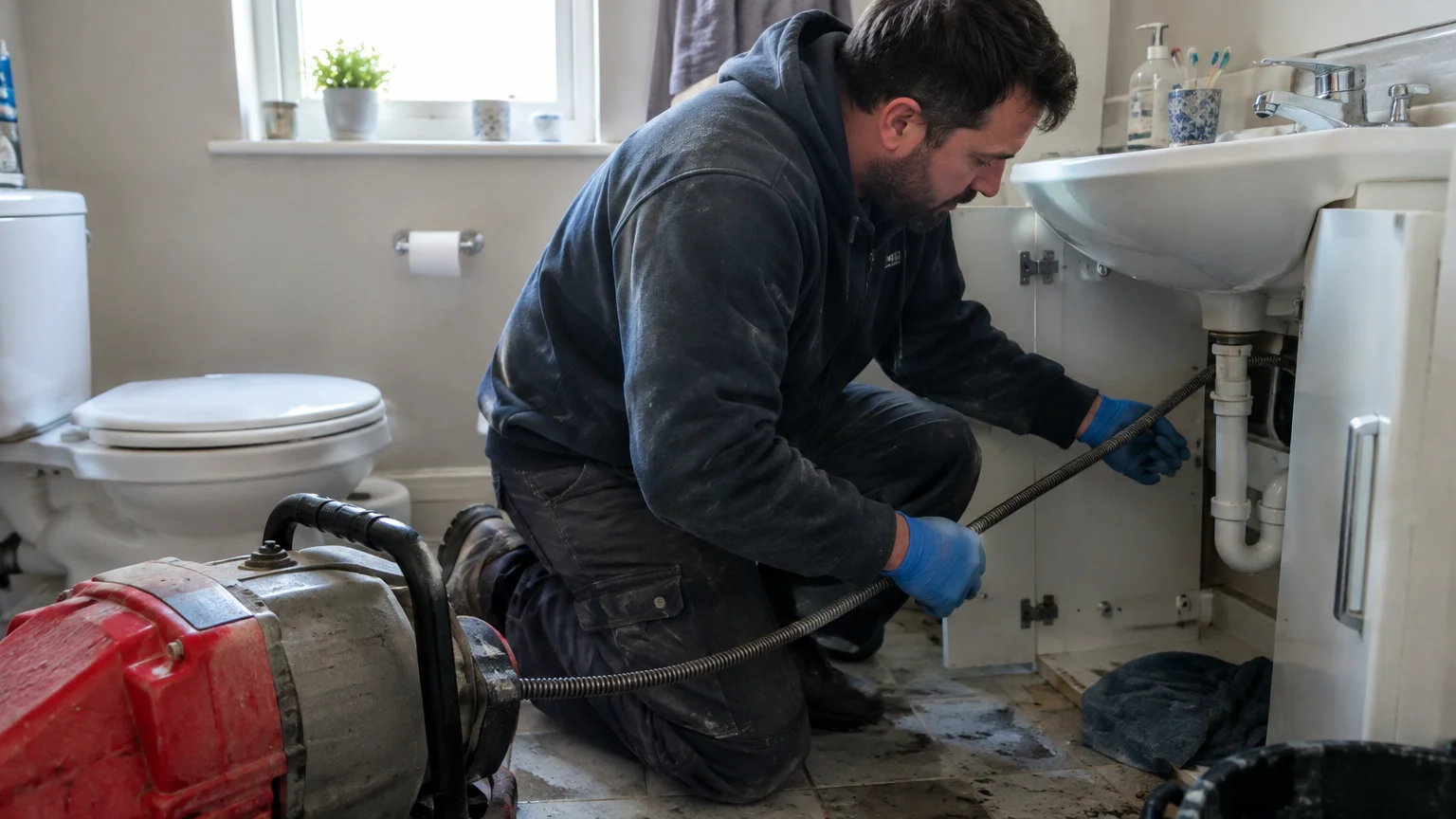
A local clog usually affects one fixture. Hair, soap, food waste, or a small object may block a sink or tub. You may remove visible debris and use a suitable plunger. This is often safe when no wastewater is present.
A main line problem affects several fixtures at once. Toilets may gurgle when a sink drains, or water may rise in a shower after laundry runs. These patterns mean wastewater may not have a clear path out of the property.
Warning signs that multiple drains are affected
Important warning signs include sewage odors, bubbling toilets, slow drains throughout the building, and water coming from a floor drain. Heavy rain can also reveal a weak or damaged drainage system when extra water enters a restricted line.
Stop using sinks, showers, toilets, and laundry appliances when several fixtures are affected. A plumber can inspect the system and choose a safe drain cleaning method. Cutting into a pipe or using strong chemicals can make the problem harder to find.
Which water heater problems need immediate attention?
Water heater problems need immediate attention when the tank leaks, water is scalding, pressure is abnormal, gas is suspected, or electrical parts are wet. A complete loss of hot water needs prompt repair, but it is not always an emergency when there is no leak or safety risk.
Leaks, pressure issues, and unusual noises
Water around a tank, relief valve, pipe connection, or pan should be checked quickly. A small connection leak may worsen. Water from the tank body often suggests internal failure. Do not move or open a water heater unless you are trained to do so.
Banging, popping, rumbling, or hissing sounds can show mineral buildup, trapped steam, or another fault. These sounds do not always mean immediate danger, but they should not be ignored. A water heater repair plumber can check the unit and explain whether repair or replacement is suitable.
Loss of hot water, scalding risks, and electrical concerns
A failed heating element, thermostat, burner, or control can cause cold water. Water that suddenly becomes too hot can burn people, especially children and older adults. Do not keep changing the temperature control without finding the cause.
If an electric water heater is wet, turn off the breaker only when the panel is safe to reach and no standing water is present. A gas smell requires immediate evacuation, not a search for the source. For gas line plumbing concerns, avoid switches, flames, and tools until the area is declared safe.
How can you prevent a plumbing emergency from becoming more serious?
A plumbing emergency is less likely to worsen when water is shut off, unsafe areas are avoided, and clear information is ready for the plumber. Basic upkeep can also help. Homeowners may clean faucet aerators, remove hair from drain covers, check visible supply lines, and test shutoff valves without forcing them.
What information to provide an emergency plumber
The plumber will need the problem location, when it began, and what changed first. Useful details include whether water is still flowing, which fixtures are affected, and whether the building has a crawl space, slab foundation, or finished ceiling below the leak.
Photos or short notes may help explain the problem. Tenants should notify the property owner or manager as soon as possible. Business owners should keep customers and staff away from wet floors, exposed wiring, and dirty water.
Key takeaways for deciding when to call
- Shut off the nearest safe valve when water is spreading.
- Treat sewage, gas smells, and electrical hazards as urgent risks.
- Call promptly for burst pipes, hidden leaks, or several blocked drains.
- Use a plunger only when the fixture and water level make it safe.
- Do not force valves or open gas and electrical equipment.
St. Joseph Plumber serves St. Joseph and nearby communities. Its service area includes Downtown St. Joseph, Lakeshore Drive, Benton Harbor, Stevensville, Fair Plain, Shoreham, and other local areas. A clear description of the problem helps the plumbing team prepare for the right response.
Frequently Asked Questions
How can someone test for a gas leak?
Do not test a suspected gas leak with a flame, electrical switch, or tool. If there is a gas smell, hissing sound, or concern about a gas appliance, leave the building and contact the gas utility or emergency services from outside. Gas line plumbing should be checked by a qualified professional.
What should someone do if a toilet keeps running?
Check whether the tank flap, float, or handle is stuck. You can gently close the toilet supply valve. If the valve will not close, the tank leaks, or the toilet keeps running after a simple adjustment, a toilet repair plumber should inspect it. A running toilet wastes water and may point to worn parts.
Why does a toilet keep running after it has been flushed?
A toilet may keep running because the flapper does not seal, the float is set too high, or the fill valve is worn. Mineral buildup can also affect the seal. A homeowner may inspect these parts without force, but a plumber should handle repeated faults, leaks, or a toilet that will not stop filling.
When is drain cleaning safe to try at home?
Simple cleaning is often safe when one sink or tub drains slowly and there is no sewage backup. Removing visible hair and using a suitable plunger may help. Strong chemical cleaners are not a good choice when the cause is unknown. Several affected drains, odors, or repeated backups need professional drain cleaning.
Does a complete loss of hot water require an emergency plumber?
A loss of hot water needs prompt service, but it is not always an emergency. It becomes urgent when the unit leaks, smells like gas, creates unusual pressure, has wet electrical parts, or produces dangerously hot water. A water heater repair plumber can find the cause and explain the safest next step.
Conclusion
The clearest signs you need a plumber include uncontrolled water, a burst pipe, sewage backup, repeated toilet overflow, several blocked drains, gas concerns, and unsafe water heater behavior. Safe steps can limit damage, but they cannot replace a proper diagnosis.
St. Joseph Plumber helps property owners in St. Joseph respond to urgent leaks, blocked drains, toilet problems, and water heater issues. Contact us to arrange prompt help for an emergency plumbing concern.