Toilet installation cost depends on the fixture, the work required, and access to the bathroom. Replacing a toilet in the same place is often simpler than adding one in a new location. Plumbing changes, hidden damage, and special features can add work. The final cost is confirmed in a written quote after the job is reviewed.
Table of Contents
- What affects the cost of installing a toilet?
- How does a new toilet installation compare with a replacement?
- Which toilet and installation options can change the scope?
- What additional work can affect a toilet installation quote?
- How can you compare toilet installation quotes?
- When should a licensed plumber install or replace a toilet?
- How can you plan for a reliable toilet installation?
What affects the cost of installing a toilet?
The main factors are the toilet type, the work needed, and the state of the plumbing. A basic replacement in the same spot often takes less work than a new installation. The final cost is confirmed in a quote after a plumber reviews the job.
Toilet type, features, and installation requirements
Toilets come in many shapes, sizes, and styles. A standard two-piece toilet has a separate bowl and tank. A one-piece toilet joins the bowl and tank together. Wall-mounted toilets hang from a frame inside the wall, so they may need more planning and plumbing work.
Special features can also change the work involved. Some toilets have different flushing systems, heated seats, or built-in wash features. Check the toilet’s size and maker’s guide before you choose a model. It must fit the bathroom and match the home’s water and drain connections.
Labor, access, and local plumbing conditions
The bathroom layout and path to the work area can affect the job. A narrow doorway, stairs, or small room may make it harder to move the old toilet and bring in the new one. The floor, shutoff valve, supply line, and drain may also need attention.
Local rules can affect which work is allowed and whether a permit is needed. Rules vary, so a plumber should check what applies in St. Joseph and Michigan. St. Joseph Plumber can explain what needs attention before work begins. A clear work plan helps owners see why one toilet job may need more work than another.
How does a new toilet installation compare with a replacement?
A replacement usually uses the existing toilet location and working plumbing connections. A new installation may need a drain, water line, or other changes before the toilet can be fitted. The quote should describe the work needed for that bathroom, since the two jobs have different scopes.
Replacing a toilet in the same location
A same-location replacement often begins by turning off the water and removing the old toilet. The installer checks the floor connection, fits the new toilet, reconnects the water, and tests for leaks and proper flushing. If the connections are in good shape, this job may need fewer steps than a new installation.
Homeowners can clear small items from around the toilet and choose a new fixture before the visit. They usually do not need to remove the old toilet themselves. Toilets can be heavy, and water may stay in the tank or bowl. DIY removal can reveal a damaged flange or cause a leak if the drain opening is left unprotected.
Installing a toilet where none existed before
A new toilet location may need changes to the drain, water line, floor, or wall. The distance from existing plumbing and the building layout help shape the work plan. In some cases, a wall or floor must be opened for plumbing, then repaired afterward.
Ask who will handle related work, such as fixing a floor or wall. Also ask whether a permit or inspection may apply. Adding a toilet is not just a matter of placing a fixture in an open space. The plumbing must serve the toilet and follow local rules.
Which toilet and installation options can change the scope?
The toilet model and the changes needed to fit it can affect the work. A like-for-like replacement may be simple, while a new style or location may need added plumbing. The installer should check the fixture’s size and connections before confirming the work plan.
One-piece, two-piece, wall-mounted, and specialty toilets
A two-piece toilet has a separate tank and bowl and is a common choice. A one-piece model joins those parts and may be heavier to move. A wall-mounted model uses a hidden support frame and may need work inside the wall. Specialty toilets may need certain water, power, or mounting connections.
Check the rough-in size before buying a toilet. The rough-in is the space from the finished wall behind the toilet to the floor drain. It helps show whether a toilet will fit the current layout. Read the product guide for its size, connection needs, and care steps.
Standard replacements versus plumbing or layout changes
A standard replacement keeps the toilet in its current place and uses matching connections. Moving the toilet, choosing a different style, or changing nearby fixtures may need more planning. If the new model does not match the current drain or water line, ask the plumber about options before work starts.
Share the toilet model with the plumber before the visit. If you have not chosen a fixture, ask which sizes and features to check. St. Joseph Plumber can help property owners in St. Joseph understand whether a model suits the space. Talking through the plan early can help avoid delays and make sure the quote reflects the work.
What additional work can affect a toilet installation quote?
Repairs to plumbing connections, floors, or hidden parts can add work. A plumber may find a problem after removing the old toilet. The quote should explain what is included and how the owner will approve any added work before it begins.
Flange, drain, shutoff valve, and supply-line repairs
The toilet flange connects the toilet to the drain and helps hold it to the floor. If it is loose, cracked, or badly worn, it may need repair or replacement. A damaged seal can also let water leak around the base, so the installer should check for signs of water.
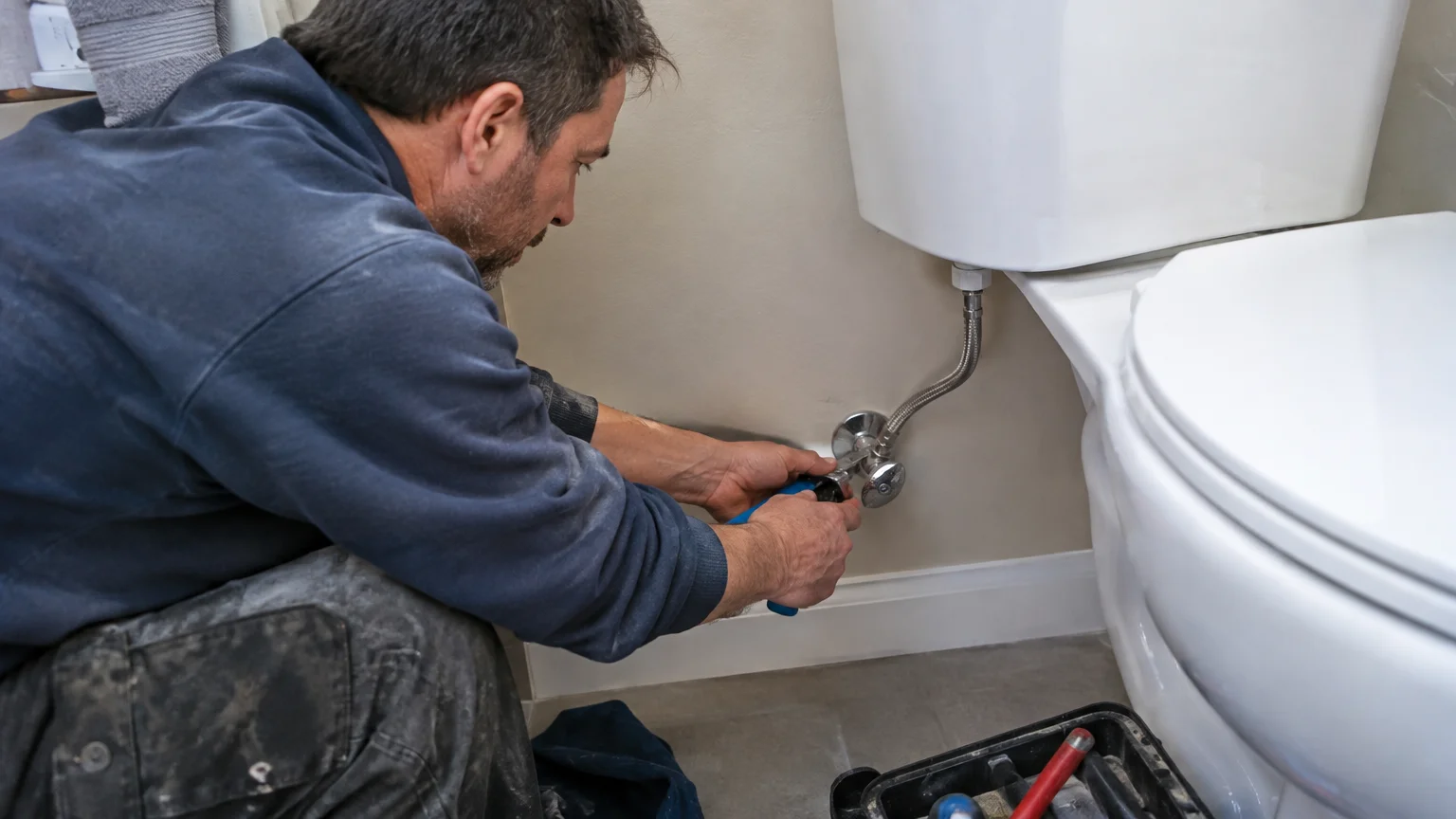
The shutoff valve turns the water to the toilet on and off. A stiff, leaking, or broken valve may need repair before the new toilet is connected. The supply line also needs to be in good shape and fit the new fixture. Do not force a valve that will not turn. If it leaks or breaks, stop and call a plumber.
Flooring, subfloor, and accessibility considerations
Soft flooring, stains, or a toilet that rocks can point to damage under the fixture. The subfloor is the layer beneath the finished floor. If it has taken in water or become weak, it may need repair before the toilet can be secured.
The bathroom layout can affect safe access and the type of toilet that works best. Someone with mobility needs may prefer grab bars, a taller seat, or more open space. Plan these changes with the right workers and check local rules. Ask which related tasks the quote includes and which ones it leaves out.
How can you compare toilet installation quotes?
Compare the work each quote includes, not only the final cost. A clear quote describes the fixture, installation, removal, connections, and how repairs will be approved. The final cost should be confirmed in writing before work begins.
Check what materials, labor, and removal are included
Check whether the quote covers the toilet or only the installation. It should say whether the old fixture will be removed and taken away. Look for details about the new seal, fasteners, supply line, and other materials needed for the listed work.
Ask what will happen if the plumber finds damage after removal. A clear process explains when work will pause, how the problem will be shared, and how a change to the job will be approved. Do not assume that floor repair, wall repair, or new parts are included unless the quote says so.
Clarify permits, warranties, cleanup, and possible extra work
Ask whether the job may need a permit or inspection in your area. Rules vary between towns and states. Check who will arrange any required steps and whether they are part of the quote. Ask what warranty covers the work and what warranty applies to the fixture, since they may have different terms.
Confirm what cleanup is included and what will happen to the old toilet. A careful installer should test the toilet after fitting it and explain how to care for it. Compare answers from licensed plumbers with experience installing the type of toilet you chose. One quote may leave out work that another includes, so compare the full work plan before choosing.
When should a licensed plumber install or replace a toilet?
A licensed plumber is a good choice when the job needs plumbing changes, has leaks or damaged connections, or raises questions about local rules. Homeowners can do simple checks and cleaning, but removing and fitting a toilet can cause leaks if done poorly. Licensing rules vary by state and local area.
Signs the existing toilet or connections need professional attention
Call a plumber if the toilet rocks, leaks at its base, drains poorly, or keeps running after simple checks. Water stains, a soft floor, a cracked bowl, or a leaking shutoff valve also need attention. A toilet not flushing well may have a clog or a problem with the tank parts. A running toilet repair may only need a worn flapper or another simple tank part. Replacing a basic part can be a reasonable DIY toilet repair if the water shuts off safely and you follow the maker’s guide.
Do not ignore a sewage smell, water near electrical items, or a leak that will not stop. Turn off the toilet’s shutoff valve if it works, keep people away from wet areas, and seek help. If the main water valve is hard to reach or does not work, tell the plumber when arranging service.
Why licensing, insurance, and relevant experience matter
A licensed plumber has met the rules for the work area. Those rules vary, so owners can check with the state or local licensing office. Ask for proof of insurance and confirm who is responsible for the work. These checks help owners choose someone qualified for the property.
Experience with the chosen toilet type matters too. A wall-mounted or specialty toilet may need different skills from a standard replacement. Ask whether the plumber has installed similar fixtures and can explain the plan in plain words. St. Joseph Plumber serves property owners in St. Joseph and can discuss the work before it is planned.
How can you plan for a reliable toilet installation?
Choose a toilet that fits the bathroom, confirm the work plan, and clear the area. Tell the plumber about any known leaks or floor damage before the visit. A written plan helps owners understand the job and what happens if hidden damage is found.
Prepare the space and confirm fixture compatibility
Measure the toilet area and check the product guide before buying a new fixture. Confirm the rough-in, toilet width, bowl shape, and space around doors or cabinets. If the new model needs a special connection, share its details with the plumber first.
Move personal items away from the toilet and make a safe path to the bathroom. Keep children and pets out of the work area. Homeowners can clean the outside of the old toilet, but should not loosen plumbing connections or remove the fixture unless they know how to protect the drain opening.
Review the final scope and care recommendations
Before work begins, read the quote and check that it matches the agreed fixture and tasks. Ask how changes will be approved if the installer finds damage. After installation, follow the maker’s care directions and watch for water around the base, tank, and supply line.
Key takeaways
- Toilet type, plumbing condition, and access can change the work involved.
- Replacing a toilet in the same spot is often simpler than adding a new location.
- Check the flange, shutoff valve, supply line, and floor during installation.
- Compare the full written work plan, not only the final cost.
- Simple checks and cleaning are suitable for DIY, but leaks and plumbing changes need a plumber.
Frequently Asked Questions
What can make a toilet installation more involved?
A damaged flange, leaking shutoff valve, worn supply line, or soft flooring can add work. A different toilet style may also need changes to the connections or layout. Ask the plumber to explain added work before it starts and update the written plan.
Can a homeowner install a toilet without a plumber?
A capable homeowner may replace a standard toilet, but the job involves lifting, sealing, and water connections. A poor seal can cause a hidden leak. DIY is not a good choice when the floor is damaged, the valve leaks, or plumbing must move.
Does replacing a toilet cost less than adding a new one?
A same-spot replacement often needs fewer changes than adding a toilet where none existed. A new location may need drain and water lines, as well as floor or wall work. The job’s final cost depends on the property and is confirmed in a quote.
Should the old toilet be removed before the plumber arrives?
Usually, leave removal to the installer. A toilet can be heavy, and water may remain inside it. Removal also opens the drain, which must be protected from debris and smells. Clear the area instead and check what removal the quote includes.
What should be checked after a new toilet is installed?
Flush the toilet and look for water around its base, tank, and supply connection. Check that it refills and stops running. Follow the maker’s care steps, and contact the installer if the toilet rocks, leaks, or does not flush as expected.
The right plan depends on the toilet, bathroom, and plumbing condition. A careful review helps prevent missed work and sets clear expectations. For toilet installation in St. Joseph, Contact us to discuss the job with St. Joseph Plumber.
If you are not sure what you are dealing with, it is worth having someone look at it before it turns into a bigger job. Get in touch with St. Joseph Plumber today and we will tell you where you stand.